Gas Line Repair & Inspection in Greenpoint, Brooklyn
Natural gas supplies the fuel necessary to power boilers, water heaters, and residential stoves across Greenpoint. Because gas piping carries combustible fuel under pressure, strict engineering integrity and meticulous safety protocols are non-negotiable. Whether you are addressing an emergency gas shutoff by the utility, planning a new appliance connection, or requiring rigorous pressure testing, our specialized gas line repair Greenpoint Brooklyn service provides compliant, code-adherent technical solutions.
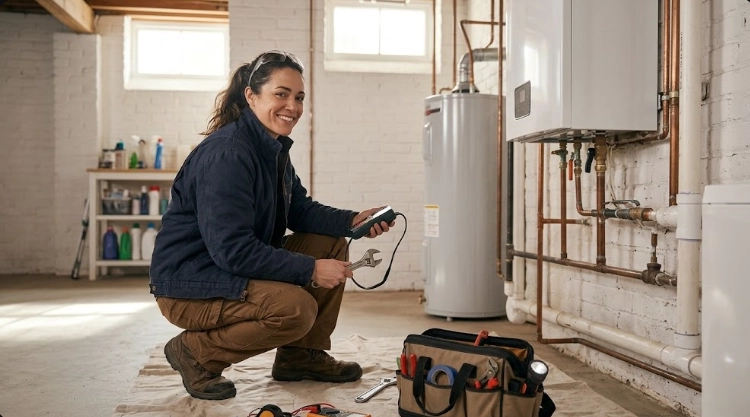
Professional Gas Piping Inspection and Pressure Testing
Natural gas piping is assembled using heavy black steel pipe joined with threaded malleable iron fittings. Over decades of service—especially in historic Brooklyn basements where moisture levels can be elevated—pipe threads can experience exterior corrosion, and pipe dope can dry out.
During a comprehensive gas piping inspection Greenpoint Brooklyn, qualified professionals conduct rigorous diagnostic testing. We use high-precision digital manometers to perform static pressure decay tests, isolating sections of the fuel line to confirm zero pressure drop over specified test durations. Electronic combustible gas sniffers and micro-leak detection solutions are applied across all exposed pipe joints, shutoff valves, meter bars, and boiler gas train connections to locate even microscopic leaks.
Appliance Hookups & Gas Line Installation for Stoves
When replacing or upgrading kitchen appliances or commercial equipment, proper fuel delivery is paramount. We handle dedicated gas line installation for stove Greenpoint Brooklyn renovations, ensuring pipe diameters meet NYC Fuel Gas Code sizing standards so that simultaneous use of the oven, cooktop, water heater, and central boiler repair plant does not cause pressure drops.
Every new installation includes a dedicated, accessible quarter-turn brass ball valve, an approved flexible stainless steel appliance connector, and rigorous leak testing before fuel is introduced.
NYC Local Law 152 Periodic Gas Piping Inspections
Building owners in New York City must navigate strict compliance guidelines under NYC Local Law 152. Under this law, exposed gas piping in covered buildings must be formally inspected on a scheduled cycle according to community district schedules.
It is important to note that Local Law 152 specifically exempts one- and two-family residential private homes from the inspection filing requirement. However, for apartment buildings, multi-family walk-ups, and mixed-use commercial properties along Manhattan Avenue and Franklin Street, periodic inspections by a licensed professional are mandatory. Inspections identify illegal piping tie-ins, unapproved flexible lines, excessive corrosion, and non-code shutoff valves, protecting building owners from costly Department of Buildings violations and service interruptions.
NYC Licensed Master Plumber Standards
Under New York City Administrative Code, work involving gas piping cannot be legally performed by unlicensed contractors or building handymen. All alterations, pressure tests, gas shutoff restorations, and DOB filings must be executed under the direct supervision of appropriately NYC-licensed Master Plumbers. Our team coordinates code-compliant work, files required DOB permits, and schedules utility inspections to restore safe gas service. For older properties undergoing heating modernization, we also assist with complete boiler replacement planning.
Frequently Asked Questions About Gas Line Repair
If you detect the rotten egg odor of natural gas, evacuate all occupants immediately. Do not flip light switches, operate phones inside, unplug appliances, or ring doorbells, as any tiny electrical arc could ignite gas vapor. From a safe distance outside, call 911 or the local gas utility (National Grid at 718-643-4050).
No. NYC Local Law 152 requires periodic inspection of exposed gas piping in buildings classified under occupancy group R, but it specifically exempts one- and two-family residential homes. Owners of multi-family buildings should verify their compliance cycle and DOB requirements with qualified licensed professionals.
Licensed professionals isolate the gas piping network, apply calibrated test pressure using a digital manometer, and monitor the gauge for pressure loss. Electronic combustible gas detectors and non-corrosive bubble solution are applied to threaded joints and unions to pinpoint the exact leak location.
No. Under NYC administrative codes, all gas piping alterations, repairs, and appliance installations must strictly be performed by, or under the direct supervision of, a licensed Master Plumber to protect life, health, and property.